- What is RAMageddon?
- What is the problem?
- When will it end?
- Is this the new normal?
- What about alternative sources?
- Are higher average selling prices (ASPs) an upside?
- What does the RAM shortage mean for IT projects?
- How organisations can reduce their exposure
- What does it mean for channel companies?
- Turning RAMageddon into a strategic advantage
- Why supply chain visibility matters more than ever
We all know about the memory and component shortages. But how long will they last and how much will they impact businesses? What can partners do to minimise disruption for themselves and their customers?
Most organisations are already familiar with the ongoing memory shortage and the impact it has had on pricing and product availability. What is becoming increasingly clear, however, is the potential effect on IT projects, budgets and procurement planning. As AI demand continues to reshape the memory market, it is important for partners and their customers to understand the potential business risks and how disruption can be minimised in a practical way.
What is RAMageddon?
RAMageddon is a term that has emerged in industry commentary to describe current memory market conditions, where demand for DRAM and NAND memory is placing increasing pressure on available supply.
What is the problem?
In two words, artificial intelligence. Or rather the demand being generated as the major players race to get ahead. Industry reports suggest they are prepared to invest heavily to secure the silicon needed to support AI infrastructure and have entered into long-term agreements with memory suppliers. This has absorbed significant memory allocations and seen resources diverted towards higher-end, higher-value production. Major systems vendors may still be able to secure supplies for their production lines, but industry observers suggest the focus remains on higher-value products.
This has meant there is very little production of low-end, affordable memory. Manufacturers cannot increase production quickly enough to keep pace with demand and there may be little incentive to do so while higher average selling prices remain attractive. Securing any kind of supply is challenging and this highly complex market is difficult for buyers to navigate.

When will it end?
Predicting exactly when market conditions might improve is difficult. However, according to reporting by TweakTown.com on Samsung's Q2 2026 earnings call, the company is reported to have indicated that DRAM and NAND shortages may worsen during 2027 and could remain challenging into 2028. The report also suggested that a sizeable proportion of manufacturing capacity had been allocated to long-term AI and data centre contracts, leaving less supply available for other markets.
While forecasts should always be treated with caution, the reporting reflects wider concerns across the industry that memory constraints may not ease quickly. For organisations planning major technology investments, this makes the current environment a strategic planning challenge rather than a short-term disruption.
Is this the new normal?
It could be that we never see a return to the market conditions experienced in 2025, when availability was stronger and RAM prices were relatively low. ComputerBase recently reported comments attributed to Lenovo suggesting that memory pricing and availability may never return to previous levels, while Tom's Hardware has discussed the possibility that RAM shortages could become a longer-term feature of the market.

Whether that proves to be the case remains to be seen. Additional manufacturing capacity is expected to come online in the coming years, but some analysts believe growing AI demand could absorb much of that additional supply. That may keep memory prices elevated and availability constrained for longer than many organisations would like.
What about alternative sources?
There are only a handful of established memory suppliers globally and options to switch providers remain limited. Alternative sourcing strategies may also be affected by geopolitical considerations and restricted manufacturing capacity.
For example, MSN recently reported on calls from US government representatives urging Apple not to source memory from a Chinese supplier. Regardless of the eventual outcome, the story illustrates how geopolitical factors are becoming an increasingly important consideration within global technology supply chains.
Even where alternative suppliers are available, market observers suggest access is often limited to larger manufacturers and global vendors. For most organisations, alternative sourcing alone is unlikely to significantly alter broader availability or pricing trends.
Are higher average selling prices (ASPs) an upside?
The higher average selling price of memory has rippled through the supply chain and, to some degree, the channel is benefiting. End-user organisations have been dealing with memory supply constraints for some time, and many recognise that delaying purchasing decisions may expose them to even higher costs or longer lead times in the future.
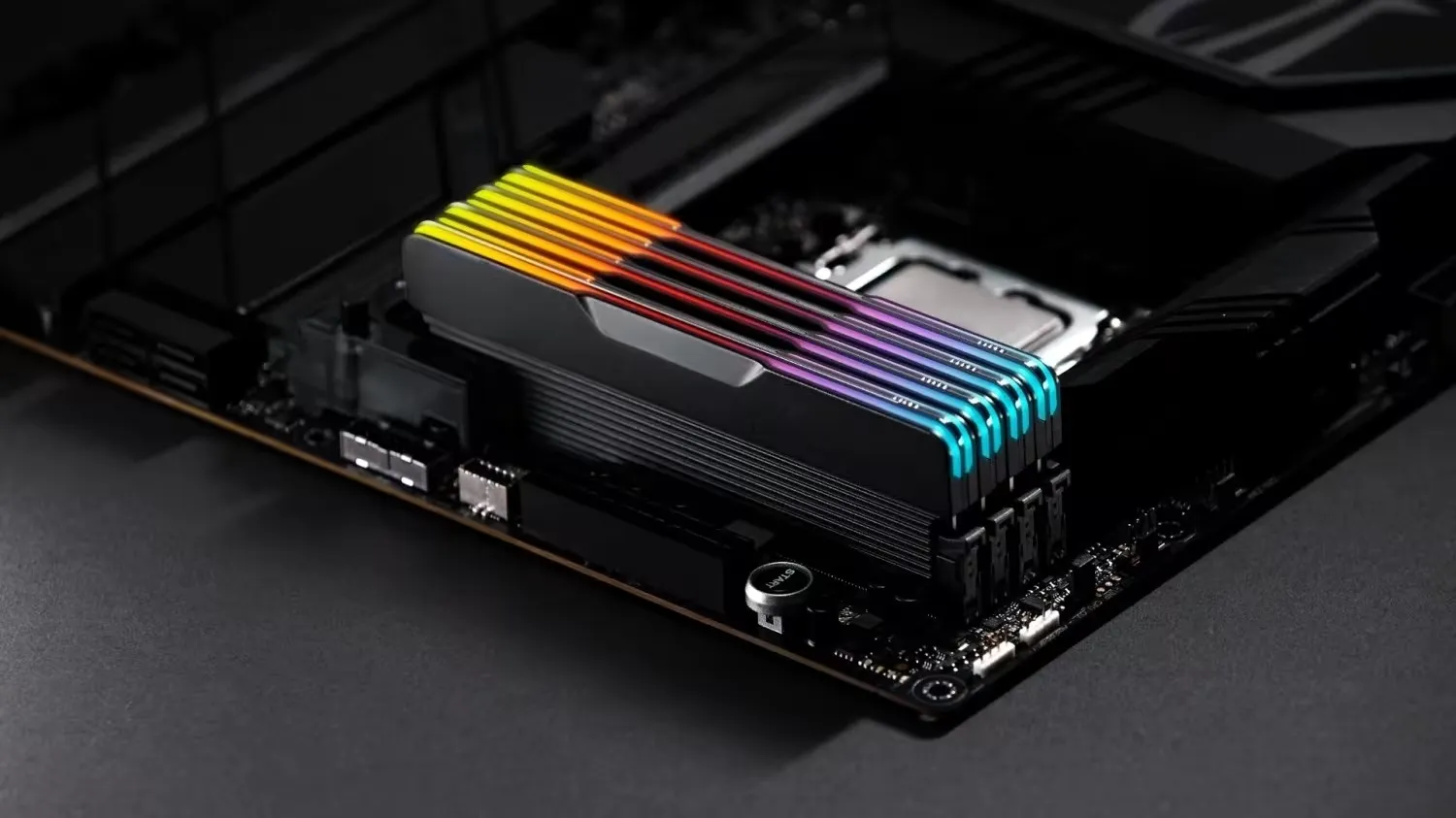
However, the impact is not uniform across product categories or customer groups. While some organisations may be prepared to pay more for higher-powered laptops, schools cannot simply increase their budgets for networking upgrades. The higher cost of infrastructure products such as servers and storage has prompted some organisations to accelerate projects, while others have delayed them.
In some scenarios, the required systems are not available, or lead times are too extended to support project objectives. Businesses in this position are often reassessing priorities and focusing investment on the projects that matter most.
What does the RAM shortage mean for IT projects?
In some cases, businesses will simply live with the delay. In others, longer lead times could mean budgets are redirected towards cloud services or alternative projects. That said, all technology has a lifecycle, and organisations of all sizes ultimately need to refresh systems and infrastructure. Due to economic uncertainty, many have already delayed upgrades for some time.
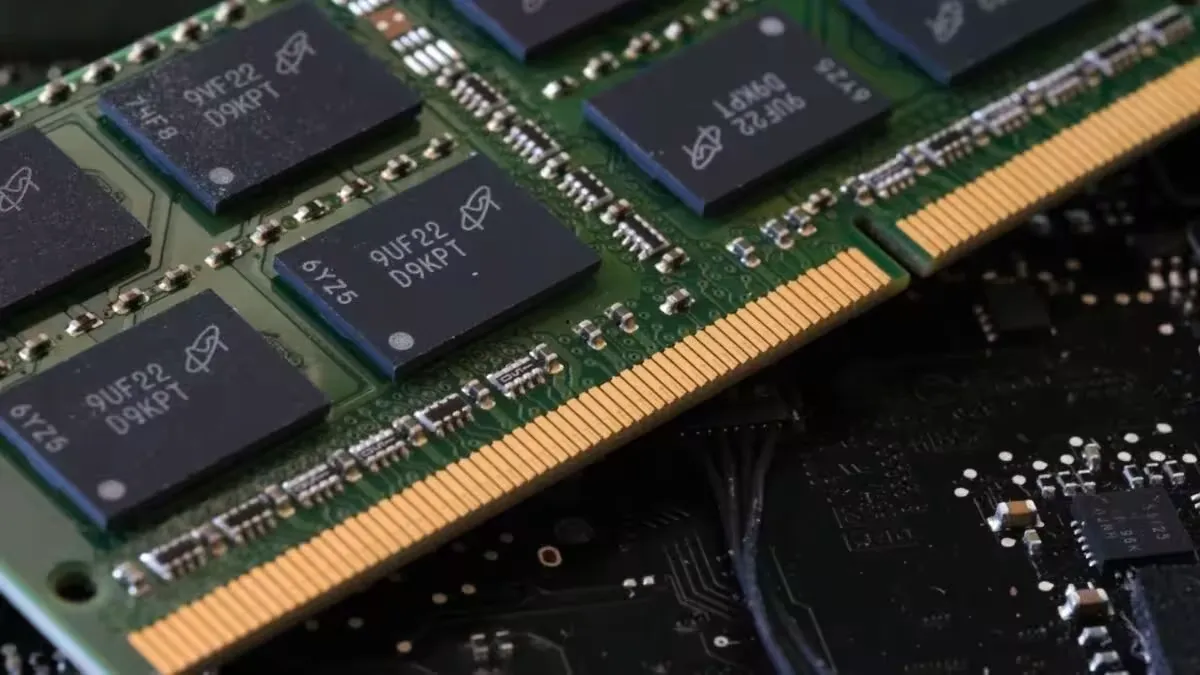
With no sign of RAM constraints ending soon, postponing decisions may simply lead to higher costs later. This has prompted some organisations to place orders earlier and adjust deployment schedules around extended lead times. In some cases, key projects have been brought forward to improve their chances of being delivered on time.
There has also been a reassessment of priorities, with customers deciding to commit only to what they absolutely must get done immediately while placing fewer essential projects on hold.
What kind of business projects are at greatest risk?
Put simply, the larger the IT project, the greater the potential for disruption. Current investment priorities include AI initiatives, data centre upgrades, server refreshes, virtual desktop deployments, and storage expansion programmes. The products needed to support these projects may all be subject to shortages or extended lead times.

However, many organisations are continuing with planned investments by placing orders earlier and adapting deployment schedules accordingly. Those with greater visibility into future requirements are often better positioned to manage risk and maintain momentum.
How organisations can reduce their exposure
While organisations cannot influence global memory production, they can take practical steps to reduce risk.
- Forecast requirements earlier by improving visibility of future demand and engaging suppliers as early as possible.
- Build flexibility into budgets to account for potential price increases, longer procurement timelines, and changing project priorities.
- Strengthen supplier relationships to gain access to market intelligence, supply chain visibility, and strategic procurement support.
For many organisations, these measures can help reduce disruption and improve resilience while market conditions remain uncertain.
What does it mean for channel companies?
If you provide infrastructure solutions, what you can do will depend largely on the lead times being quoted by suppliers and the approach customers choose to take. Partners can advise and may hope to influence decision-making, but they should do so as trusted advisers, considering the multiple factors shaping customer priorities.

The most important thing is to stay close to what key vendors are reporting and work with customers to plan as far ahead as possible.
B2B resellers, retailers, systems builders, and maintenance providers all have an ongoing need to replenish component inventory. If they do not have stock available to meet day-to-day requirements for upgrades and replacements, they risk losing business. Forecasting demand accurately and placing orders earlier can improve the chances of securing inventory when it is needed.
Turning RAMageddon into a strategic advantage
As the situation is being driven by global market factors, there is little partners can do to influence the underlying causes. What they can do is manage their way through the challenges. Forecasting further ahead, extending project timelines where necessary and committing to procurement earlier can all help. In some situations, alternative solutions may provide temporary relief, but most organisations will need to focus on managing expectations around both price and availability.
Open and honest discussions with customers are essential. Partners can help organisations reassess current and future plans, explore contingency options, build flexibility into technology budgets, and take a more strategic approach to procurement.
Why supply chain visibility matters more than ever
The TD SYNNEX Global Computing Components (GCC) team has extensive market knowledge and experience and works closely with partners to help them navigate challenging market conditions. The team maintains strong collaborative relationships with key suppliers and has access to detailed market intelligence, providing valuable visibility into changing supply chain conditions and anticipated availability of RAM and other components.
With constraints expected to persist for a while, that visibility matters more than ever. It puts TD SYNNEX’s GCC team in a strong position to help partners plan strategically, build procurement resilience and prepare for future market shifts.
Inspired by...
Other articles you might like